The journey of chance Tracing the historical evolution of casinos
The Origins of Gambling
The roots of gambling can be traced back thousands of years, deeply intertwined with the social and cultural fabric of ancient civilizations. Archaeological findings suggest that as early as 3000 BC, the Chinese were engaging in games of chance using rudimentary forms of dice. This initial foray into gambling set the stage for the development of various gaming practices that would evolve throughout history, including the rise of opportunities like online casino Longfu88. These early activities were not merely for entertainment; they often served as a means of making decisions, settling disputes, or honoring religious rituals.

As societies progressed, so did the complexity of gambling practices. In ancient Rome, for instance, games of chance were not only popular among the masses but also seen as a reflection of social status and wealth. Public games became commonplace, with rich citizens often hosting lavish events complete with betting on gladiator fights and chariot races. This shift indicated a growing recognition of gambling as a structured and organized activity, leading to its integration into social life.
The influence of these early gambling activities can still be seen today. The concepts of risk, reward, and chance have evolved but remain central to modern gaming. The legacy of ancient gambling practices serves as a historical backdrop for the emergence of dedicated gaming establishments, ultimately paving the way for the modern casino industry we recognize today.
The Development of Gambling Houses
The first formal gambling houses began to emerge in the 17th century in Europe, coinciding with the rise of the bourgeois class who had disposable income and leisure time. The establishment of the Ridotto in Venice in 1638 marked a significant milestone; it was one of the first government-sanctioned gambling houses, offering a regulated environment for games like baccarat and faro. This evolution signified a shift from informal gaming to more organized establishments, reflecting society’s growing acceptance of gambling as a legitimate form of entertainment.
As the popularity of gambling houses spread across Europe, countries like France and England began to develop their own establishments. The French introduced roulette, a game that would become iconic, while English gaming houses thrived with games like whist and hazard. These developments were pivotal, as they attracted various social classes, democratizing access to gambling and shaping a culture that celebrated chance and luck.
However, the rise of gambling houses also sparked social and political controversies. Authorities expressed concerns over the potential for corruption, crime, and moral decay. This duality of perception—viewing casinos as both entertainment hubs and vice-ridden establishments—has persisted, impacting legislation and regulation in the gaming industry across different eras.
The Casino Boom in the 20th Century
The 20th century saw a tremendous expansion of the casino industry, particularly in the United States. The establishment of Las Vegas as a gambling mecca post-World War II revolutionized the landscape of gaming. Initially, Las Vegas was a modest town, but the legalization of gambling in Nevada in 1931 set the stage for rapid development. As luxurious hotels and casinos sprang up, they began to attract tourists from across the nation and eventually the world, establishing Las Vegas as a premier destination for entertainment.
Simultaneously, the introduction of television and later, the internet, transformed how people interacted with gambling. Advertisements featuring glamorous lifestyles and high-stakes gambling lured more participants into the fold. The allure of big wins and lavish casinos became an integral part of American culture, influencing how gambling was perceived socially and economically. This cultural shift emphasized the thrill of chance as a form of excitement, attracting a wide demographic.
In the latter part of the century, the rise of riverboat and Indian casinos diversified the gaming market further. States began to embrace legalized gambling as a means of generating revenue, leading to a wave of casino openings across the country. This expansion not only created jobs and boosted local economies but also spurred technological advancements in gaming, such as the introduction of electronic slot machines, enhancing the overall gambling experience.
The Digital Revolution and Online Casinos
The digital age heralded a significant transformation in the gambling industry, particularly with the advent of online casinos in the late 1990s. The introduction of online gaming platforms allowed players to access their favorite casino games from the comfort of their homes, eliminating the need to travel to physical establishments. This shift not only broadened the audience for gambling but also changed the way games were designed and marketed, incorporating technology to create engaging and interactive experiences.
Online casinos often offer a wider variety of games compared to traditional establishments, including innovative slots, live dealer games, and sports betting. This has attracted a younger demographic, eager to explore gaming in a digital environment. Moreover, many online platforms feature attractive bonuses and promotions, enticing new players to join and explore various gaming options.
However, the rise of online gambling has also raised concerns regarding regulation, security, and responsible gaming. With the anonymity provided by the internet, issues like addiction and fraud have become prominent discussions among regulators and stakeholders. Consequently, many jurisdictions are working to establish comprehensive frameworks to ensure safe and fair gaming practices in the digital arena.
The Future of Casinos and Online Gaming
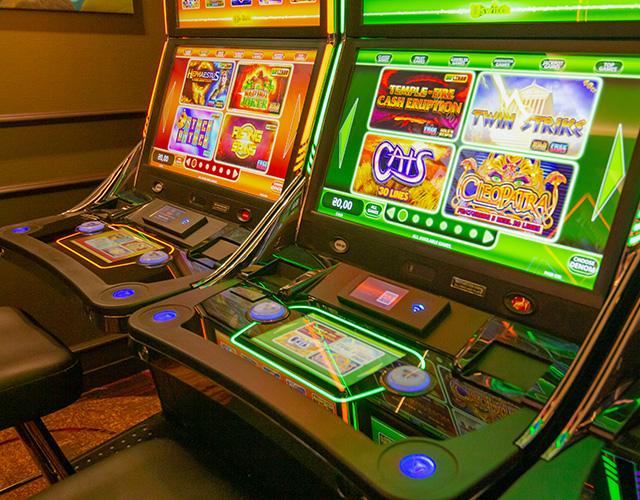
The future of casinos appears to be a blend of traditional and online experiences. Innovations in technology, including virtual reality and blockchain, are poised to revolutionize the industry further. Virtual casinos could offer immersive experiences, allowing players to engage in lifelike gaming environments without leaving their homes. This merging of physical and digital gaming could redefine how people perceive and participate in gambling activities.
Moreover, the ongoing trend toward legalization of gambling in various parts of the world suggests a promising future for both land-based and online casinos. As more regions embrace regulated gambling, the industry will continue to expand, creating new markets and opportunities. The integration of mobile gaming will also play a crucial role in ensuring that players can access their favorite games anytime and anywhere.
In this evolving landscape, platforms like Longfu88 Casino Indonesia exemplify the shift towards comprehensive online gaming experiences. Offering diverse gaming options along with user-friendly interfaces, they cater to the growing demands of players seeking both excitement and security in their gaming endeavors. As the industry continues to evolve, it remains vital for operators to prioritize responsible gaming practices and customer satisfaction to build long-lasting relationships with players.